

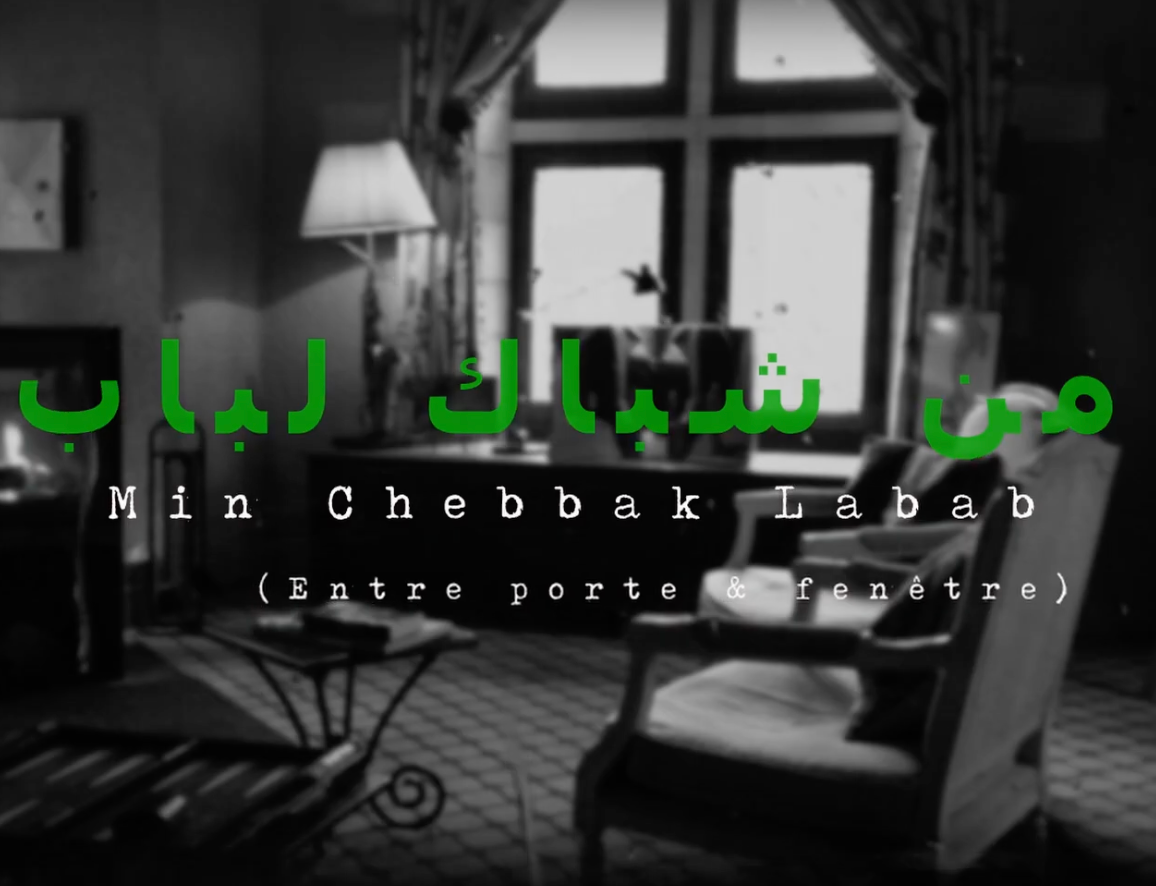
Entre Porte et Fenêtre
Entre Porte et Fenêtre
By Mundi Ruptor
In Artworks
Couldn't load pickup availability
Out of stock
Item details:
Les chansons de Mundi Ruptor explorent l’inattendu, réveillent des souvenirs enfouis et ouvrent des zones souvent laissées à l’écart de la conscience. Entre ombre et lumière, leur univers tient dans une tension rare : une coexistence fragile entre violence et tendresse, mélancolie et fulgurance.
Pour Havens, Mundi Ruptor présente Entre porte et fenêtre (من شباك لباب), une chanson écrite en libanais parlé. Le texte se tient sur une ligne de fracture — celle du seuil. La fenêtre et la porte deviennent des lieux instables où l’intime affronte la rue, la guerre, la perte du sacré, la disparition des figures fondatrices. Les images du filet déchiré, des poissons qui prient, des bombes de mortier et du corps prêt à se briser dessinent une géographie intérieure marquée par l’effondrement.
Les figures qui traversent cet univers ne sont ni cyniques ni désabusées au sens contemporain. Elles sont mélancoliques, profondément atteintes par l’Orient libanais, lucides jusqu’à l’excès, peu enclines aux refuges faciles du plaisir ou de l’oubli. Des anti-héros sensibles, presque intempestifs, qui comprennent la mort plus intimement que le monde qui les entoure. À la manière de figures goethéennes transposées au XXIᵉ siècle, elles oscillent entre indifférence et hyper-sensibilité, entre retrait et éclats de présence.
Ici, le haven n’est pas un abri protecteur, mais un seuil habitable : un moment de passage, une relation, un déplacement — « de ma fenêtre à sa porte ». Un lieu précaire où la musique, la langue et le corps offrent encore la possibilité de tenir, de se perdre, et peut-être, fugitivement, de se retrouver.
Mundi Ruptor — Between Door and Window
The songs of Mundi Ruptor explore the unexpected, awaken buried memories, and reveal neglected corners of the unconscious. Moving between shadow and light, their work sustains a striking balance between violence and tenderness, creating a living tension that holds this singular universe together.
For Havens, Mundi Ruptor presents Between Door and Window (من شباك لباب), a song written in spoken Lebanese Arabic. The text unfolds on a fracture line — the threshold. Window and door become unstable spaces where intimacy confronts the street, war, the loss of the sacred, and the disappearance of foundational bonds. Images of torn fishing nets, praying fish, falling mortars, and a body ready to break compose an inner landscape shaped by collapse.
The figures inhabiting this world are neither cynical nor numbed by excess. They are melancholic, indelibly marked by the Lebanese Orient, resistant to easy pleasure, often misunderstood by their surroundings. Intelligent, elusive, deeply attuned to death, they resemble contemporary transpositions of Goethean figures — sensitive anti-heroes oscillating between withdrawal and sudden flashes of clarity.
Here, the haven is not a place of safety but a habitable threshold: a passage, a fragile relation, a movement — “from my window to her door.” Music, language, and the body become provisional shelters, allowing one to drift, to feel, and perhaps, briefly, to find oneself again.
موندي روبتور — من شباك لباب
تغوص أغاني موندي روبتور في غير المتوقّع، وتوقظ ذكريات مطمورة، وتكشف زوايا من اللاوعي غالبًا ما تُهمَل. بين الظلّ والنور، يقوم هذا العالم على توتّر دقيق بين العنف والحنان، بين الانفجار العاطفي والهشاشة، في توازن حيّ لا يستقرّ.
في معرض Havens، تقدّم الفرقة أغنية من شباك لباب، المكتوبة باللهجة اللبنانية المحكية. تقف الأغنية عند العتبة: الشباك والباب كفضاءين غير آمنين، حيث يلتقي الداخل بالشارع، والحميم بالحرب، ويغيب المقدّس وتتفكّك الروابط الأولى. صور الشبك الممزّق، والسمك الذي يصلّي، وقذائف الهاون، والجسد المعرّض للكسر، ترسم مشهدًا داخليًا لانهيارٍ متواصل.
الشخصيّات التي تعبر هذا العالم ليست ساخرة ولا غارقة في لذّات بلا معنى. إنّها شخصيّات كئيبة، موسومة بعمق بالشرق اللبناني، ذكيّة، عصيّة على الفهم، قليلة الميل إلى الإفراط في المتعة أو النسيان. تفهم الموت أكثر ممّا يفهمه العالم من حولها. شخصيّات يمكن تشبيهها بامتدادات غوتيّة في القرن الحادي والعشرين، تتأرجح بين اللامبالاة والفرط الحسيّ، بين العزلة والوميض.
الملاذ هنا ليس حماية، بل عتبة قابلة للسكن: عبور، علاقة، انتقال — «من شباكي لبابها». في هذا الهشّ، تصبح الموسيقى واللغة والجسد أماكن مؤقّتة للجوء، حيث يمكن للمرء أن يضيع… وربما، للحظة، أن يجد نفسه.
من شباك لباب
لوَين العود بعيطلي تحت الشباك؟
وين الصيّاد وشَبَكو المخزوق عالشباك؟
وين السمك يلَي بيلعبط
وبيصلّي تأنزل لعند العون؟
وبيصلّي تتنزل عليي قنابل الهَون؟
قنابل الهون
وين الهون؟
chorus
وين لح غطّ اليوم؟
وين لح كسّر عضمي اليوم؟
ما عاد عندي وراق تأشطُب
ولا عندي قُدس بهالكون
ما عاد عندي أم
ما عاد عندي أب
شو بدي بقا
بهالكون
وين ضاع المدى
تحت شبابيك الحي؟
وين صار الشاعِر
ضايع بين الشمس والفَي ؟
chorus
وين لح نطّ اليوم؟
وين لح كسّر عضمي اليوم؟
ما عاد عندي وراق أكتُب
ولا عندي قُدس بهالكون
ما عاد عندي أم
ما عاد عندي أب
شو بدي بقا
بهالكون
من شباكي لبابها اليوم
مش باقي إلّا السعد عندها اليوم
تركت قلبي عم ينزف المينا
ورحت معها شمال
ورحت تحتها شمال
chorus
وين لح نطّ اليوم؟
وين لح كسّر عضمي اليوم؟
ما عاد عندي وراق أكتُب
ولا عندي قُدس بهالكون
ما عاد عندي أم
ما عاد عندي أب
شو بدي بقا
بهالكون
بدي موت ولو شوي اليوم
Entre porte et fenêtre
Le oud m’appelle sous la fenêtre —
mais pour aller où ?
Où est le pêcheur
et son filet déchiré accroché à la fenêtre ?
Où sont les poissons qui se tortillent,
qui prient pour que je descende vers eux, vers le salut,
qui prient pour que sur moi tombent
les bombes de mortier ?
Les bombes de mortier.
Où est le mortier ?
Refrain
Vers où vais-je sauter aujourd’hui ?
Sur quoi briserai-je mes os aujourd’hui ?
Je n’ai plus de feuilles pour raturer,
je n’ai plus de sacré dans cet univers.
Je n’ai plus de mère,
je n’ai plus de père.
Que puis-je encore faire
de ce monde ?
Où s’est perdu l’horizon
sous les fenêtres du quartier ?
Où est passé le poète,
perdu entre le soleil et l’ombre ?
Refrain
Vers où vais-je sauter aujourd’hui ?
Sur quoi briserai-je mes os aujourd’hui ?
Je n’ai plus de feuilles pour écrire,
je n’ai plus de sacré dans cet univers.
Je n’ai plus de mère,
je n’ai plus de père.
Que puis-je encore faire
de ce monde ?
De ma fenêtre à sa porte aujourd’hui,
il ne reste que le bonheur chez elle.
Elle a laissé mon cœur saigner
du sang de Mina,
et je suis parti avec elle vers le Nord,
je suis parti sous elle vers le Nord.
Refrain
Vers où vais-je sauter aujourd’hui ?
Sur quoi briserai-je mes os aujourd’hui ?
Je n’ai plus de feuilles pour écrire,
je n’ai plus de sacré dans cet univers.
Je n’ai plus de mère,
je n’ai plus de père.
Que puis-je encore faire
de ce monde ?
Je veux juste mourir un peu aujourd’hui.
Between Window and Door (English translation)
The oud calls to me beneath the window —
but where should I go?
Where is the fisherman,
and his torn net hanging on the window?
Where are the fish, writhing,
praying that I might descend toward them, toward rescue,
praying that
mortar shells might fall on me?
Mortar shells.
Where is the mortar?
Chorus
Where will I jump today?
On what will I break my bones today?
I no longer have paper to cross out,
no sacred left in this universe.
I no longer have a mother,
I no longer have a father.
What can I still do
with this world?
Where has the horizon gone,
the one that lingered beneath the neighborhood’s windows?
Where has the poet gone,
lost between sun and shade?
Chorus
Where will I jump today?
On what will I break my bones today?
I no longer have paper to write on,
no sacred left in this universe.
I no longer have a mother,
I no longer have a father.
What can I still do
with this world?
From my window to her door today,
nothing remains but happiness at her place.
She left my heart bleeding
with Mina’s blood,
and I left with her toward the North,
I went beneath her, toward the North.
Chorus
Where will I jump today?
On what will I break my bones today?
I no longer have paper to write on,
no sacred left in this universe.
I no longer have a mother,
I no longer have a father.
What can I still do
with this world?
I just want to die a little today.
About Mundi Ruptor
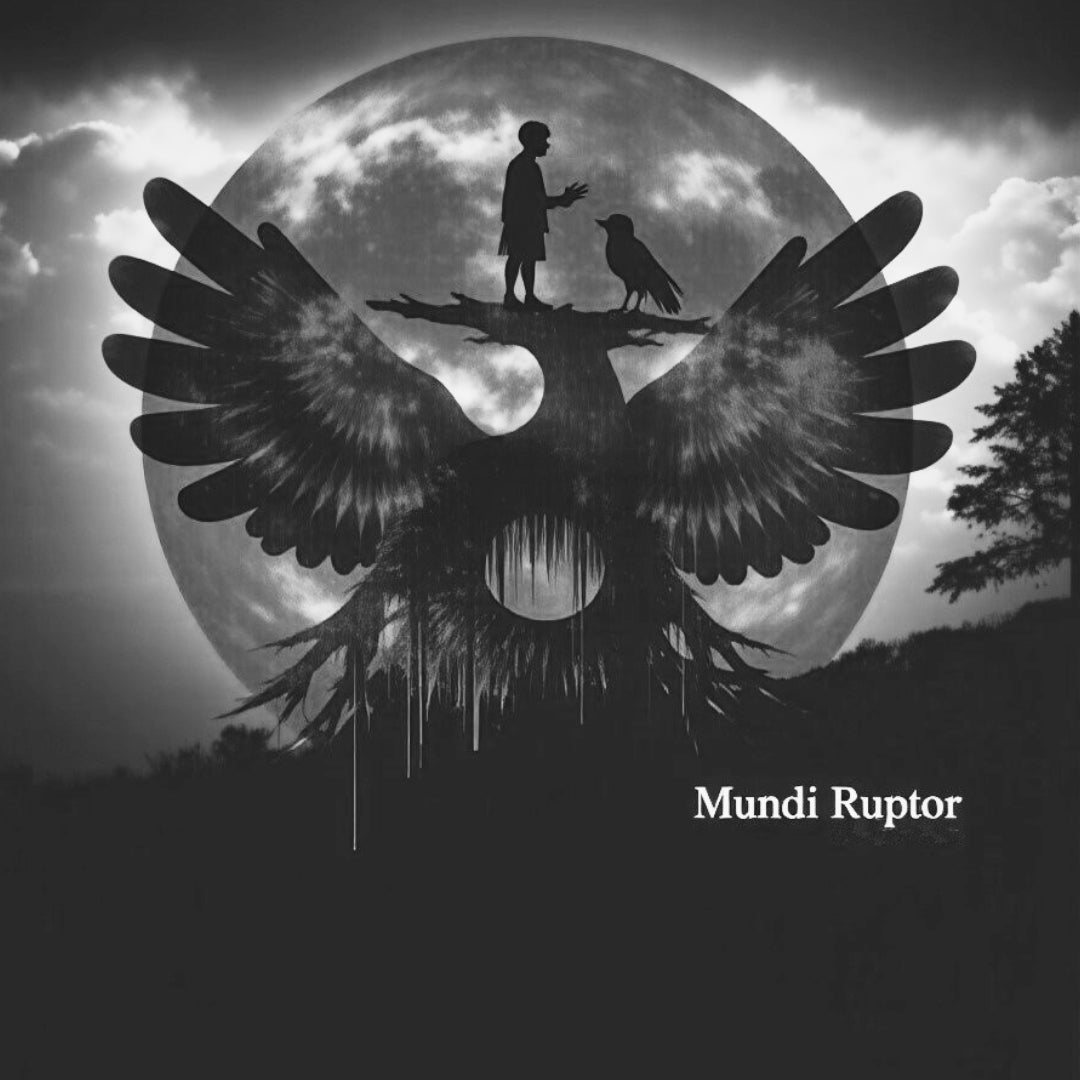
The songs of Mundi Ruptor - this Franco-Lebanese duo driven by creative tension - explore the unexpected, awaken buried memories, and reveal the often-forgotten corners of the unconscious. Between shadow and light, they strike with a startling balance between violence and tenderness, creating a living tension that keeps this singular universe in harmony. With Mundi Ruptor, each track becomes an invitation to travel, to feel, to get lost - and perhaps to find oneself again.
There is melancholy, but also violence - an explosion of feelings. The characters of Mundi Ruptor could be seen as anti-Houellebecq figures: unlike those in Extension du domaine de la lutte, who have lost all meaning because they have indulged too much - too much sex, too much descent into the abyss of pleasure and contemporary nihilism - they are melancholic beings, indelibly marked by the Lebanese Orient, yet reluctant to be touched. They shun excessive pleasure, are misunderstood - often entirely - by their surroundings, intelligent, difficult to grasp. They are like modern-day Goethes transposed into the 21st century.
They are also beautiful, struck by flashes of brilliance, sometimes finding themselves again. They understand death more deeply than any other being. Everything moves them - yet everything can also collapse into indifference, to the depths of their melancholy: a melancholy that is often urban, that of a city hermit, the melancholy of contradictions.